Exploring Conflict Resolution in Family Therapy
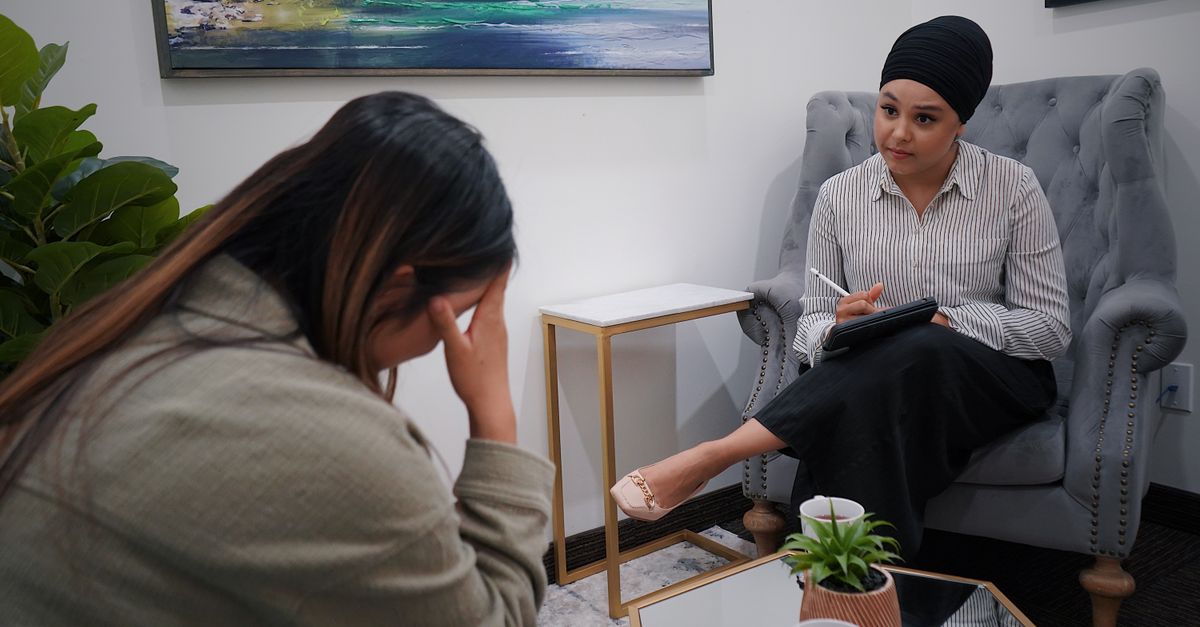
Table Of Contents
The Impact of Emotions on Conflict
Emotions play a significant role in shaping conflicts within families. They often exacerbate misunderstandings and can lead to heightened tensions during discussions. When emotions such as anger, fear, or sadness come into play, individuals may become defensive or disengaged, hindering effective communication. Misinterpretations of emotions can further complicate interactions, as different family members may express their feelings in contrasting ways. This emotional complexity often leads to a cycle where unresolved feelings contribute to ongoing conflict.
Understanding the intricate link between emotions and conflicts is crucial for successful resolution. It allows therapists to identify specific emotional triggers and patterns that hinder progress. By acknowledging these emotional dynamics, therapists can help families navigate their feelings more constructively. This insight enables families to approach their issues with greater empathy and openness, creating an environment conducive to healing and growth. Recognising the impact of emotions can ultimately shift the focus from blame to understanding, paving the way for more productive discussions.
Managing Emotional Responses During Therapy
Emotional responses can often escalate during family therapy sessions, making it essential for therapists to have strategies for managing these reactions. It is crucial for therapists to remain attuned to the dynamics in the room. When tensions rise, the ability to validate feelings while encouraging constructive dialogue is key. Ensuring that all family members feel heard can help de-escalate intense emotions and lead to more productive conversations.
Therapists can employ various techniques to facilitate emotional regulation. Techniques such as mindfulness exercises or breathing strategies can be introduced to help family members ground themselves amidst heightened emotional states. Encouraging clients to express their feelings in a controlled manner fosters an environment where issues can be addressed without fear of judgement. This approach not only helps manage immediate emotional reactions but also builds skills for family members to navigate conflicts outside the therapy session.
Building Trust Within Families
Trust is a foundational element in family relationships, influencing communication and conflict resolution. Establishing an atmosphere of openness is crucial. Family members need to feel safe expressing their thoughts and feelings without fear of judgement or retaliation. This can be achieved through active listening and demonstrating empathy. When individuals see that their feelings are validated, they are more likely to share their personal experiences, which fosters deeper connections among family members.
Creating lasting trust requires consistent effort over time. Family therapy can provide a structured environment where members learn to communicate effectively. Therapists often encourage regular discussions about family dynamics, helping individuals identify patterns of behaviour that may contribute to distrust. Building trust also involves acknowledging past grievances while focusing on future intentions and behaviours. This process encourages families to collaboratively develop strategies for healthier relationships, paving the way for restorative interactions.
Creating a Safe Space for Dialogue
Establishing an environment where family members feel comfortable expressing their thoughts and feelings is essential in therapy. A safe space encourages open communication, allowing individuals to share their perspectives without fear of judgment. When family members believe they can speak freely, it promotes understanding and empathy, essential elements for resolving conflicts. Therapists facilitate this process by modelling respectful communication and ensuring everyone has the opportunity to voice their concerns.
Privacy and confidentiality are vital components of this safe space. Families need reassurance that their discussions remain confidential, fostering a sense of security during sessions. The therapist plays a crucial role in maintaining this trust, guiding conversations with sensitivity. By actively listening and validating each person's experience, therapists help create a non-threatening atmosphere that supports healthy dialogue and effective conflict resolution.
The Therapist's Role in Family Conflicts
In family therapy, the therapist acts as a neutral mediator, facilitating communication between family members. By creating an environment where each individual feels heard, therapists help to de-escalate tensions and encourage open dialogue. This role requires an understanding of family dynamics and the ability to identify underlying issues that may not be immediately apparent. By guiding the conversation, the therapist enables family members to express their feelings and viewpoints while maintaining respect for one another.
Therapists also play a crucial role in providing families with tools for conflict resolution. They can teach techniques such as active listening, reframing negative statements, and finding common ground. Through these strategies, families learn to address conflicts constructively rather than avoid them. This shift in perspective encourages lasting changes in how family members interact with one another outside of therapy sessions. With the therapist's guidance, families can develop healthier communication patterns and ultimately strengthen their relationships.
Guiding Families Towards Solutions
Therapists play a crucial role in navigating family dynamics toward constructive solutions. By fostering open communication, they encourage family members to express their feelings and perspectives. This process helps to illuminate underlying issues that may contribute to the conflict. Through active listening and empathy, the therapist can guide families to understand each other's positions better, facilitating a dialogue that is both respectful and productive.
Encouraging families to brainstorm solutions collaboratively empowers them to take ownership of their choices. When family members actively participate in crafting resolutions, they often feel more invested in the outcomes. Therapists may use various strategies to highlight common goals and shared values, helping families to anchor their discussions in positive aspirations. This approach not only aids in resolving the immediate conflict but also strengthens the family's ability to face future challenges together.
FAQS
What is the primary goal of family therapy in relation to conflict resolution?
The primary goal of family therapy in relation to conflict resolution is to improve communication, enhance understanding, and foster healthier relationships among family members, ultimately helping them to resolve conflicts constructively.
How can emotions impact family conflicts during therapy?
Emotions can significantly impact family conflicts during therapy as they can influence communication styles, escalate tensions, and hinder the resolution process. Recognising and managing these emotions is crucial for effective conflict resolution.
What strategies can be employed to manage emotional responses during therapy?
Strategies to manage emotional responses during therapy include practising active listening, validating each other's feelings, using "I" statements to express emotions, and taking breaks when discussions become too heated.
Why is building trust important in family therapy?
Building trust is essential in family therapy as it creates a safe environment for family members to share their thoughts and feelings openly, reducing fear of judgment and encouraging honest dialogue which is critical for resolving conflicts.
What role does the therapist play in guiding families towards solutions?
The therapist plays a crucial role in guiding families towards solutions by facilitating discussions, providing tools for effective communication, helping family members identify underlying issues, and encouraging collaboration in problem-solving.
Related Links
Family Therapy Techniques for Managing StressThe Role of Communication in Relationship Therapy
Navigating Blended Families: Therapy Strategies
How to Find a Family Therapist on the Central Coast
How Family Therapy Improves Parent-Child Relationships